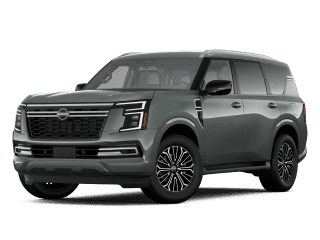
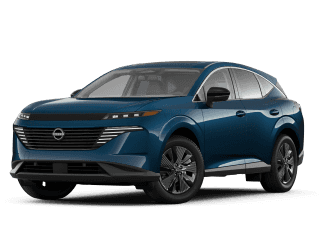
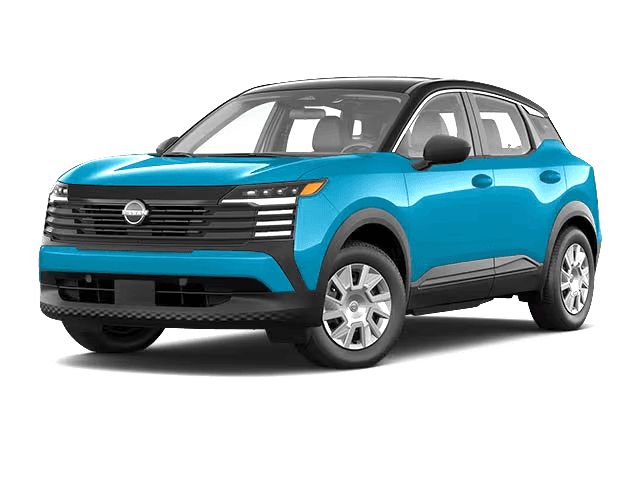
When purchasing a new car, most people typically overlook the need to prepare your home for an electric vehicle. However, with the numerous benefits that electric vehicles (EVs) offer, such as potential carbon footprint reduction and lower maintenance costs compared to traditional gasoline cars, it’s essential to consider the readiness of your electric vehicle home charger.
While electric vehicle charging stations are available in the Hamden area, home charging is likely to remain your primary method for the foreseeable future. To ensure your home is equipped to charge your new EV efficiently, let’s explore five straightforward steps to prepare your house for models like the Nissan ARIYA or Nissan Leaf.
1. Decide on a Charging Type (AKA Charging Level)
Before diving into the world of electric vehicle charging batteries, familiarize yourself with the two main types available in New Haven: Level 1 and Level 2 chargers. Level 1 chargers are standard household outlets that provide a slow charging rate, ideal for overnight charging. On the other hand, Level 2 chargers offer faster charging speeds, perfect for replenishing your vehicle’s battery in a matter of hours. Consider your driving habits and charging needs to determine which option is best suited for you.
2. Ready Your Garage
Clearing out and organizing your Northford garage is a crucial step to prepare your home for an electric vehicle. Create space for the electric vehicle home charger and ensure that the area is easily accessible. If your garage doubles as a storage space, decluttering beforehand will streamline the installation process and make for a more efficient charging experience.
3. Find Your Power Panel & Assess Consumption
Locating your home’s power panel is essential for assessing its capacity to handle the additional load from an electric vehicle charging station. Take note of the panel’s amperage rating, as it indicates the maximum current flow it can handle. Additionally, evaluate your household’s energy consumption to avoid overloading the electrical system. Conducting a self-assessment beforehand will help identify any potential issues and ensure a safe and efficient charging setup.
4. Hire an Electrician
Seeking professional guidance from a licensed electrician is recommended to address any concerns regarding your home’s electrical infrastructure. An electrician can assess your power consumption, recommend necessary upgrades, and install the required wiring for your EV charger. While the cost may vary depending on your specific needs, investing in expert assistance will guarantee a reliable and compliant charging solution. Usually this costs a couple hundred dollars, but could be up to $1,000 or $3,000 if it’s found that your power panel is not sufficient as-is and requires upgrading.
5. Buy Your Charger & Have it Installed
If you haven’t already researched and purchased an EV charger at this point, it would be the time to do so and have it professionally installed by the electrician of your choice.
Contact Executive Nissan to Learn More Electric Vehicle Charging Batteries!
Do you have additional questions or concerns about getting your home ready for an electric vehicle? Contact us anytime at Executive Nissan or call 203-239-5371 to learn more about electric vehicle home chargers. Meanwhile, browse our current selection of new vehicle specials!